Spiritual Care
Our philosophy of care is to care for the whole person: body, mind and spirit. We believe that everyone has a spirit in need of care, regardless of if a person has a faith tradition or not. Ohio’s Hospice has a staff of caring chaplains and spiritual care volunteers who accompany patients and families on this part of life’s journey. These individuals provide compassionate listening, encouragement, and reassuring presence.
The Mission of Our Spiritual Care Team
The chaplains of Ohio’s Hospice provide compassionate care, listening to those in need at a critical time in their life. Their mission is to help patients and families deal with the many emotions associated with end of life and encourage them to embrace the spiritual aspects of their journey.
For individuals who have a strong religious or faith background that is an important aspect of their life, our chaplains honor and encourage their faith, which can bring comfort to the patient and their family.
For others, religious traditions may not have held a central role in faith, but they may still have a strong sense of spirituality. Hospice chaplains can help patients reflect upon their beliefs and express their spirituality. Chaplains also support those who define themselves as agnostic or atheist, meeting them where they are with no judgment or agenda.
Spiritual care at hospice is a much broader topic than just religion. It addresses many of the patient’s core longings:
- The need for feeling emotionally safe,
- To be affirmed as a valued and unique individual,
- To have one’s own epic story heard,
- To understand they are loved,
- And, to be connected with other human beings and God.
Chaplains frequently assist individuals who are struggling to find purpose and meaning in their final days. Often patients have goals they want to accomplish before dying. In these instances, chaplains can help articulate and facilitate their achievement. Sometimes this involves assistance in working on reconciling relationships.
For those struggling with their own spiritual ambiguities, the chaplain offers conversation to help them think these things through to find resolution. They also provide resources for spiritual growth and serve as liaison contacts to a patient’s faith community.
Chaplains are part of a larger team, the interdisciplinary care team, which works together to provide a comprehensive continuum of care to all patients. Communication and collaboration with the team assures that the patient and family receive all aspects of care, (spiritual, emotional, physical, and medical).
After the loss of a loved one, Chaplains continue to serve families. They are often part of a comprehensive bereavement plan providing comfort, conducting funeral and memorial services, and honoring the lives of hospice patients.
Related Stories
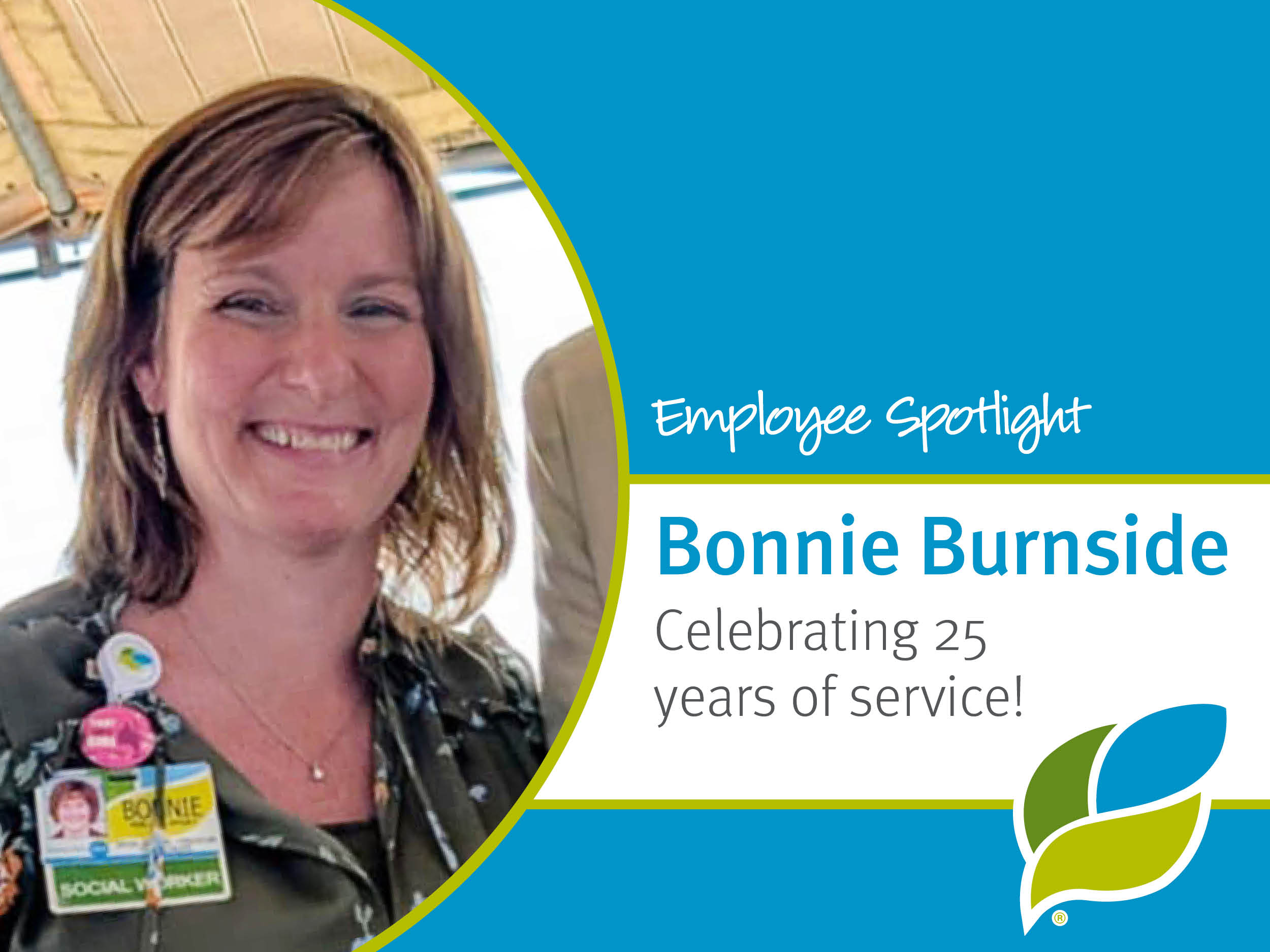
Bonnie Burnside has worn several different hats in her 25…
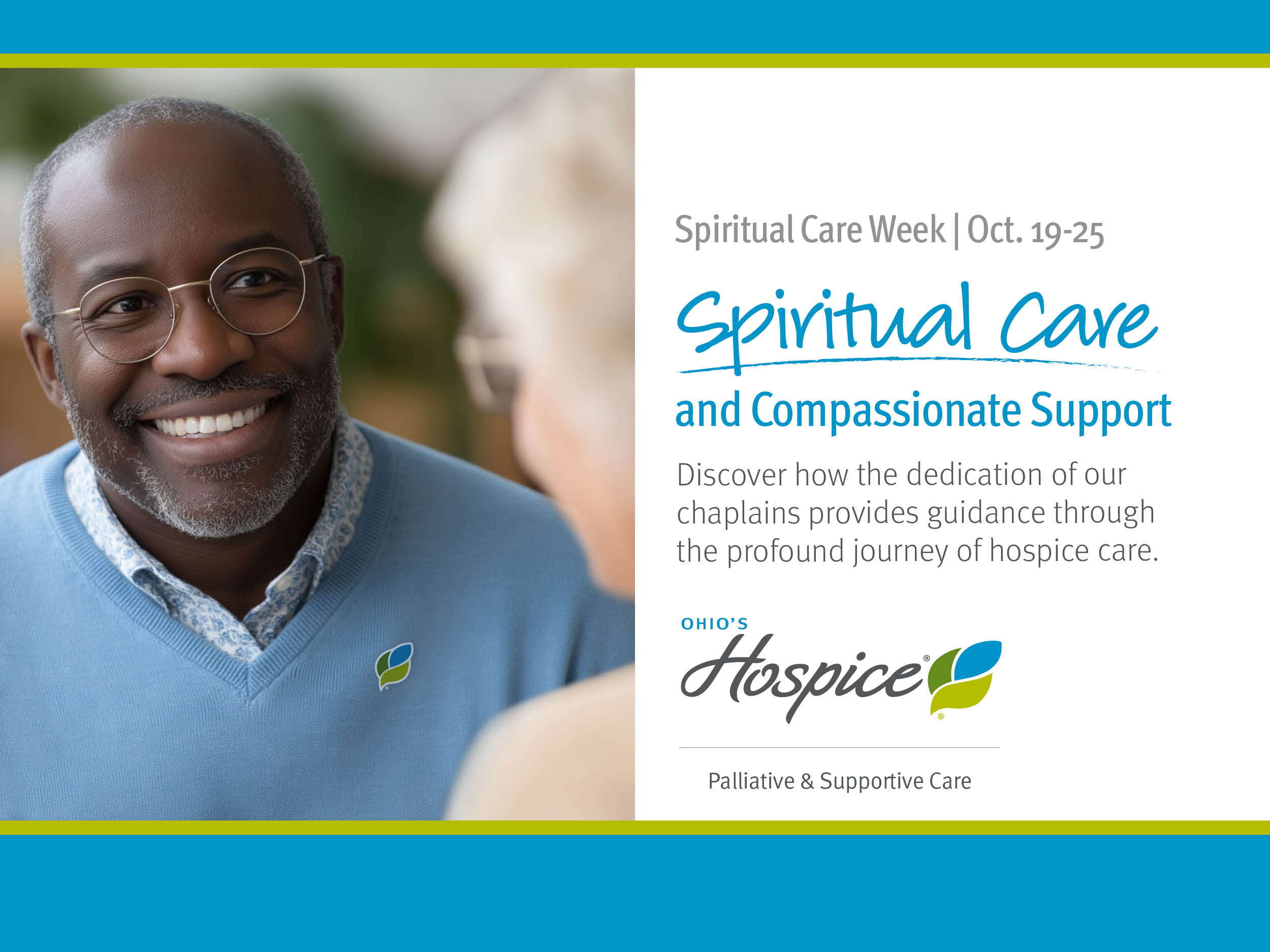
At a time when comfort matters most, chaplains, part of…

Congratulations to Gayle Simmons! The Dayton and Miami Valley Better…
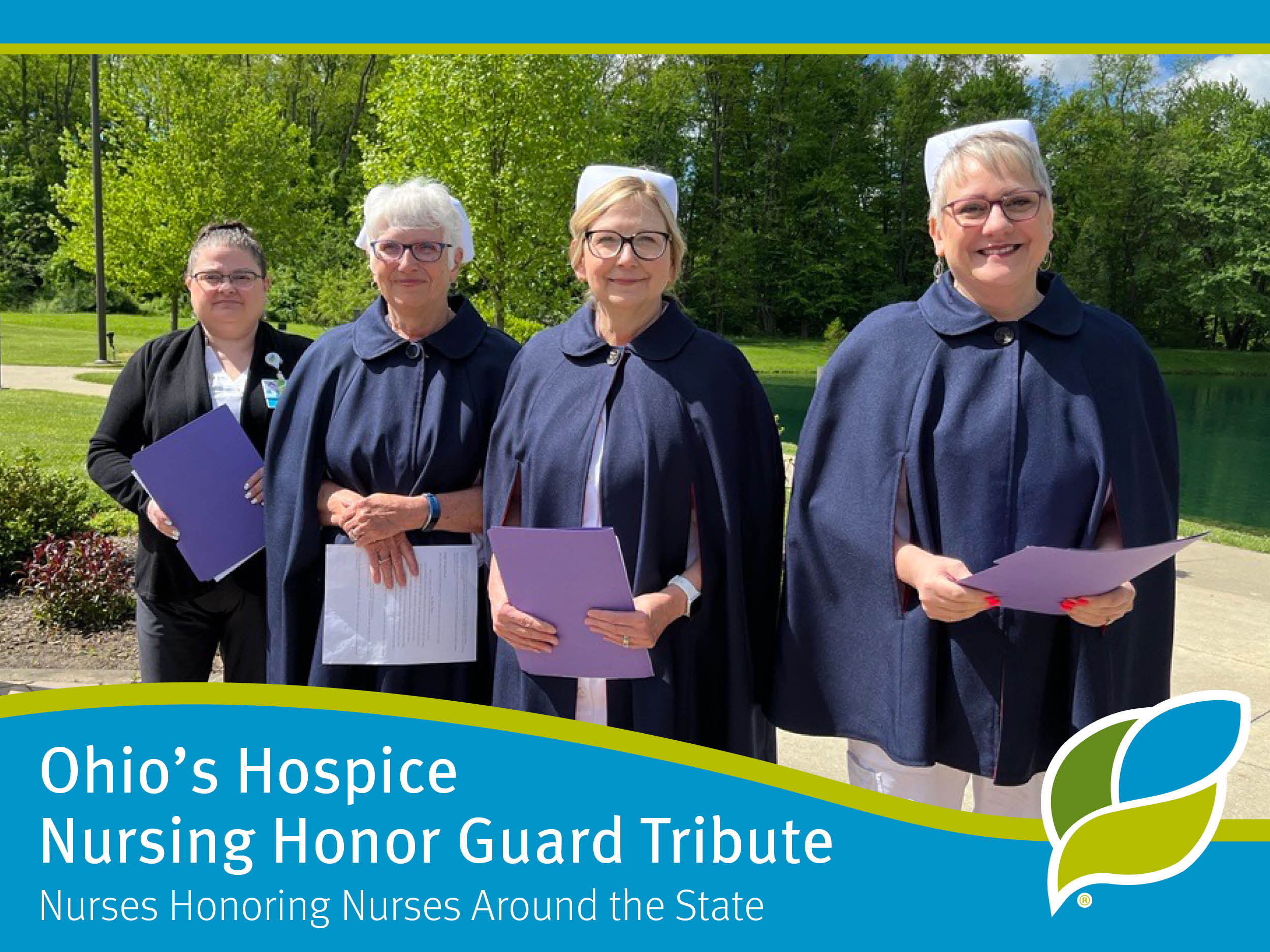
During Nurses Week 2024, the Ohio's Hospice Nursing Honor Guard…
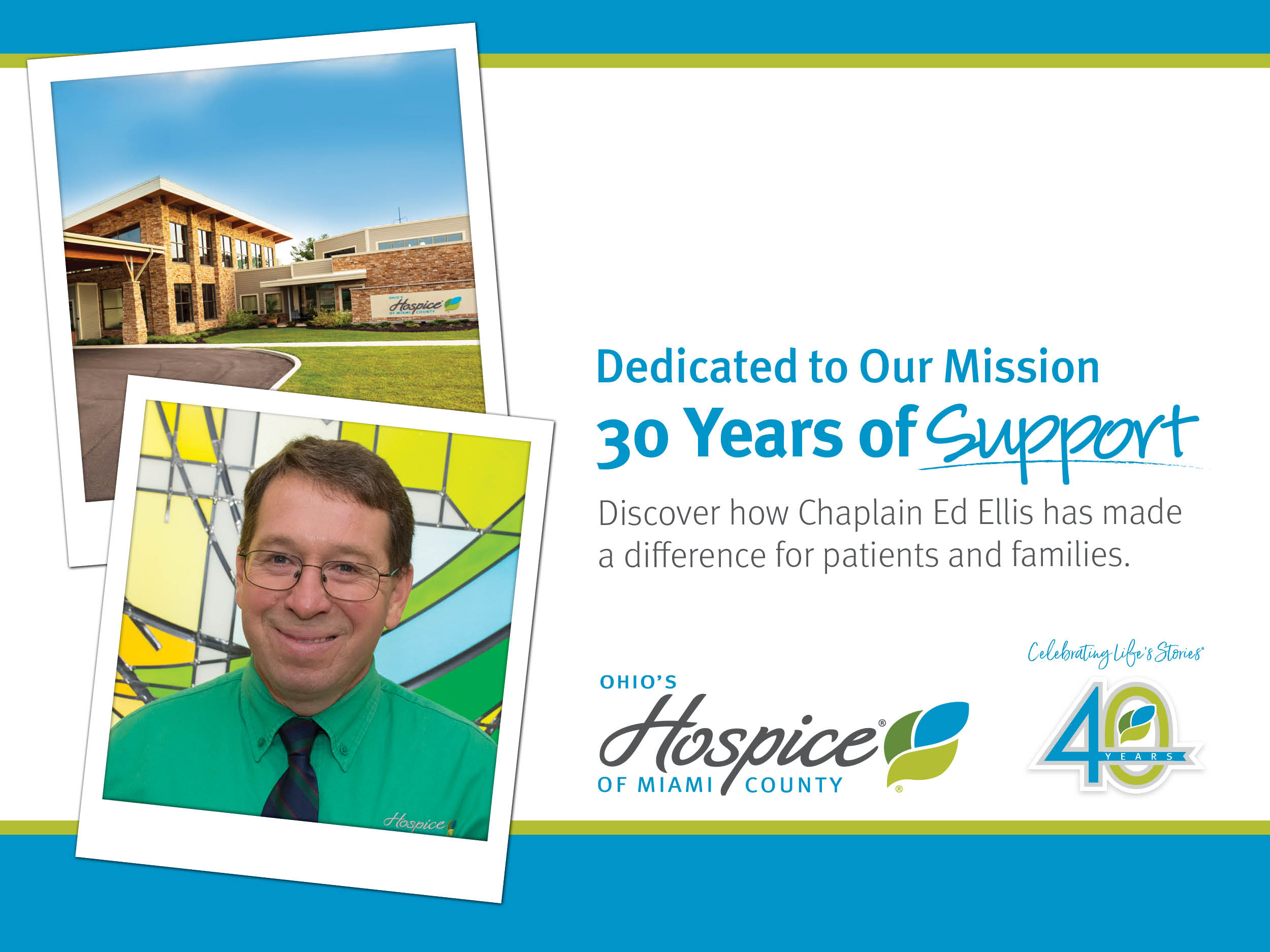
Ed Ellis, a chaplain with Ohio’s Hospice of Miami County…

On November 24, 2022, I found myself dishing up turkey…
During Spiritual Care Week, we take time to recognize and…
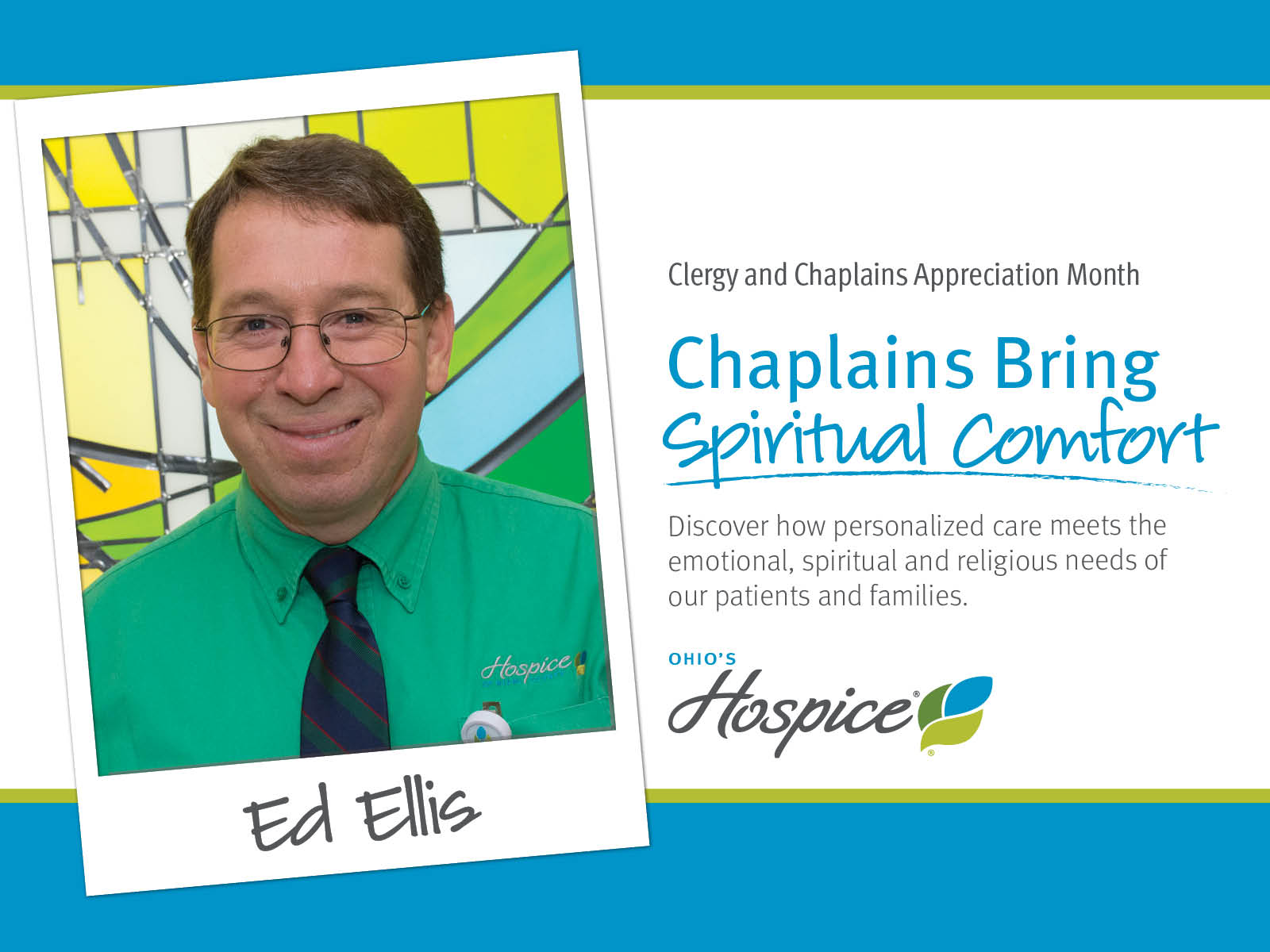
Chaplain Ed Ellis Personalizes Care to Meet the Emotional, Spiritual…
Chaplains Make a Difference in the Lives of Our Patients…
October 23-29 marks Spiritual Care Week, a time to recognize…
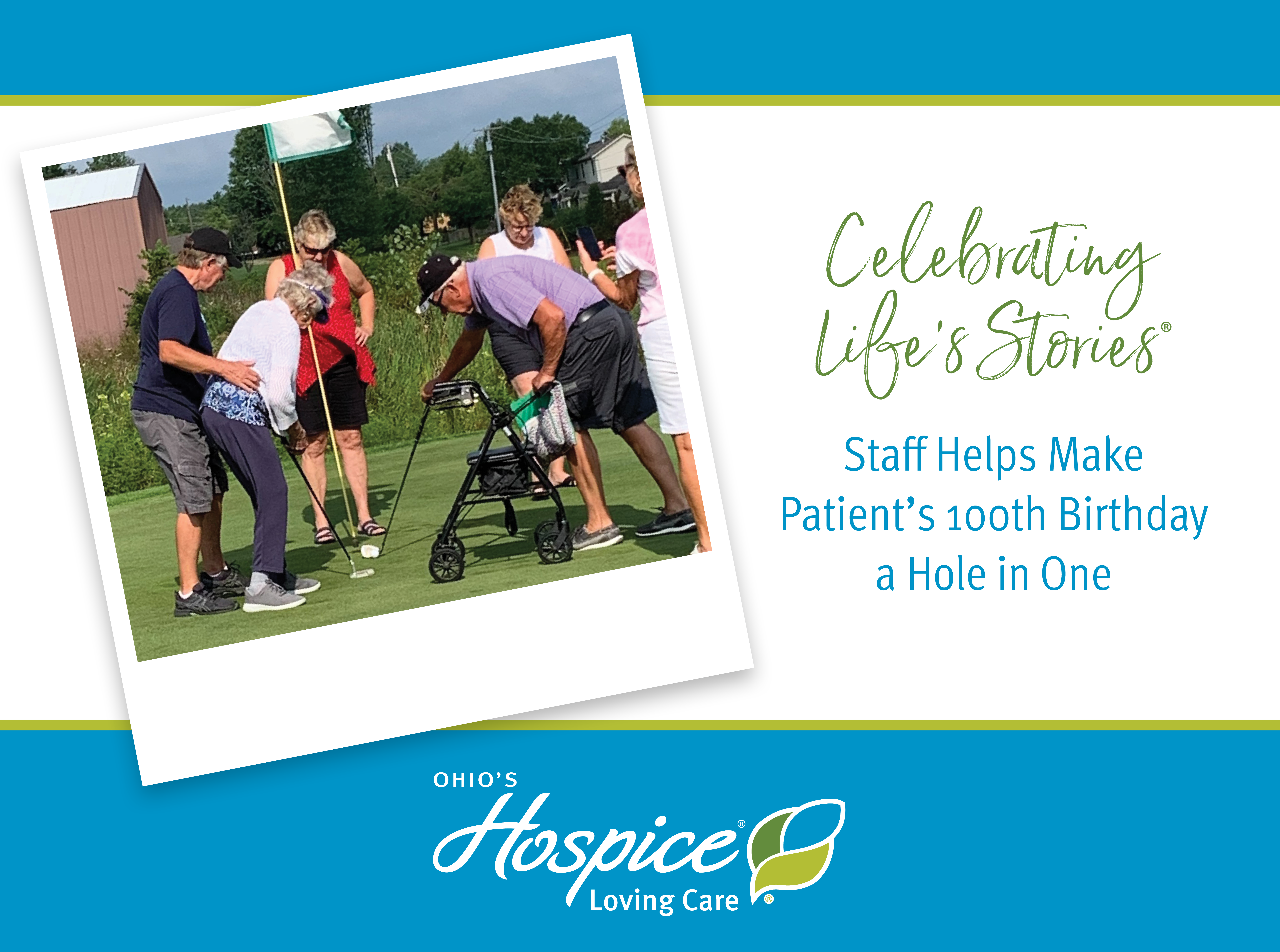
When Gladys Marl was admitted to hospice with Ohio’s Hospice…
Spiritual Care Week is October 24-30, 2021. This week it…
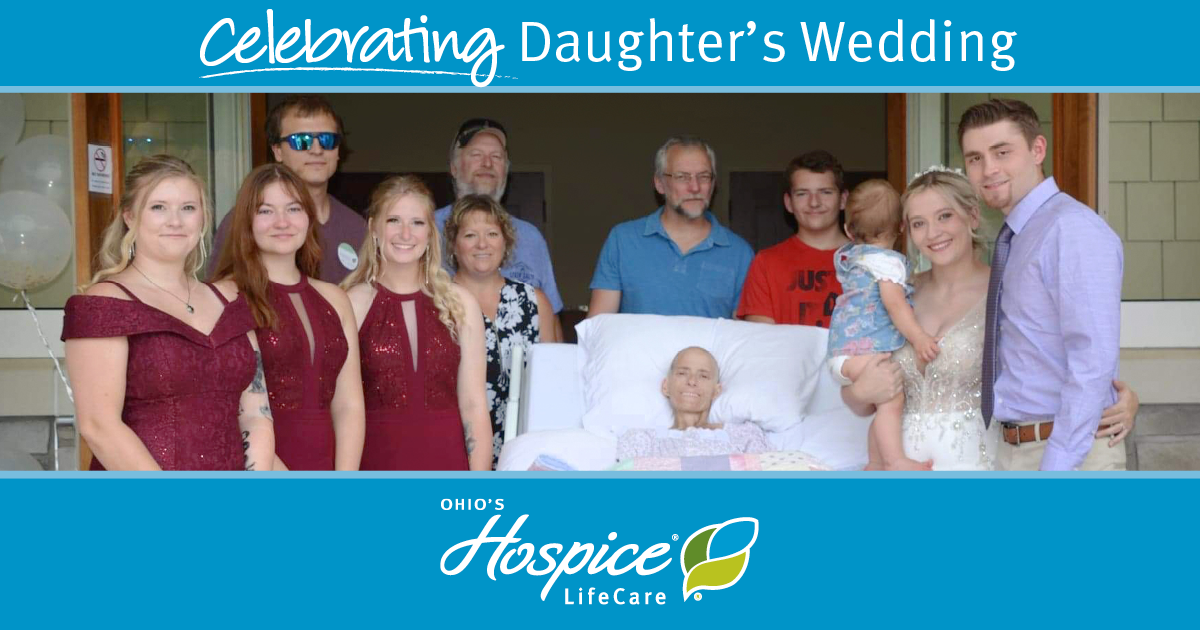
After battling colorectal cancer for almost a year, Crystal Mackey’s doctors at…
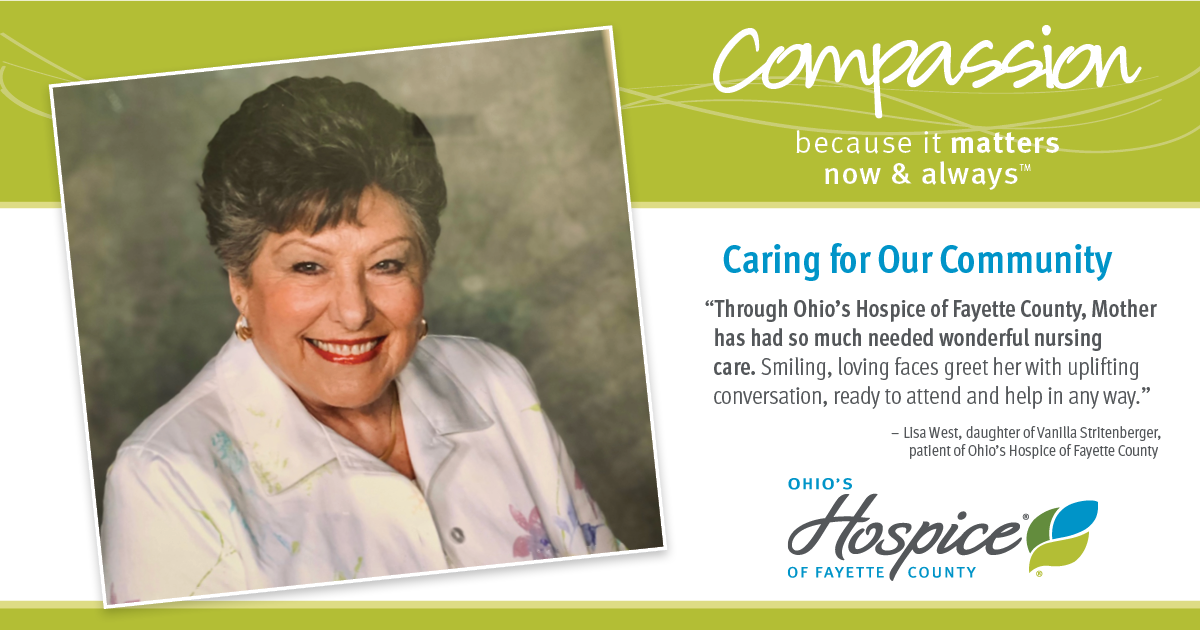
Ohio’s Hospice of Fayette County has been honored and privileged…
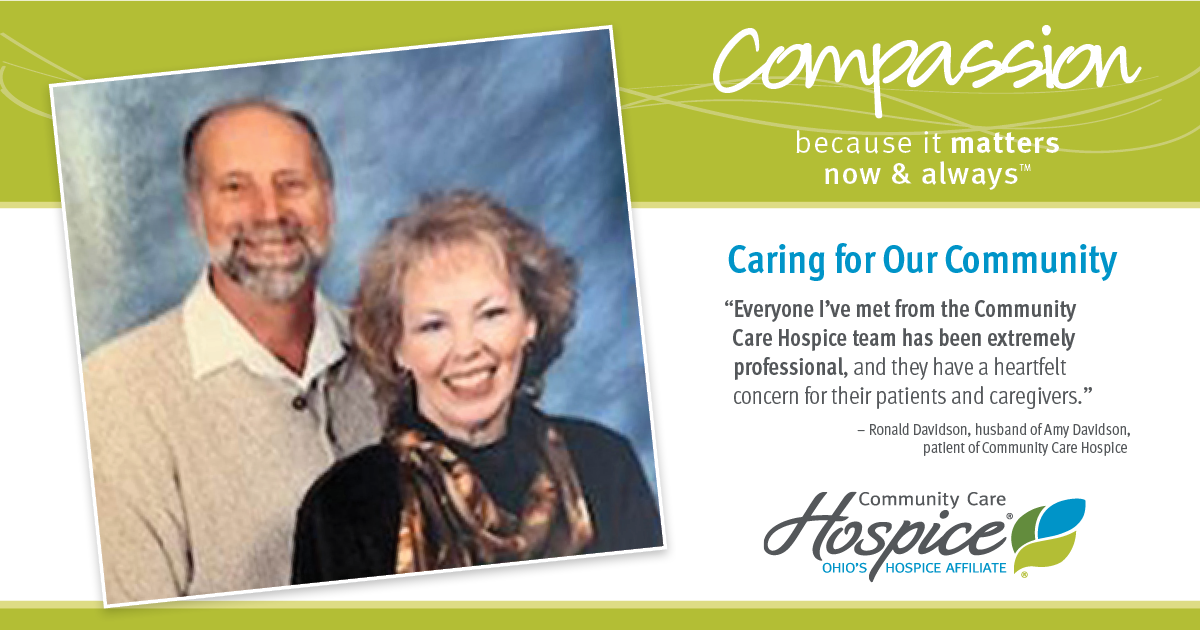
Community Care Hospice has been honored and privileged to serve…
Chaplains provide spiritual support to patients and families, regardless of…
During Spiritual Care Week, Oct. 20-26, 2019, we take a…
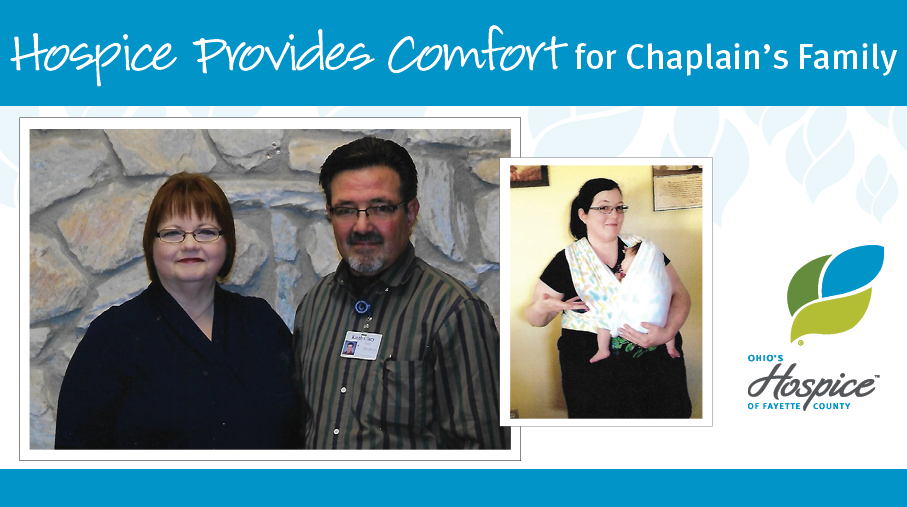
For Pastor Keith Clary, working for Ohio’s Hospice of Fayette…
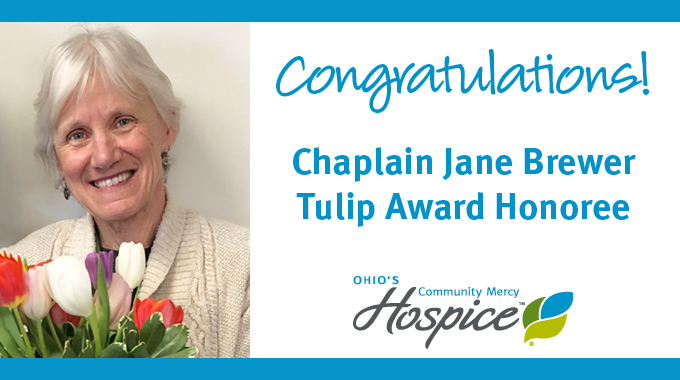
Outstanding members of the Ohio’s Hospice staff are honored every…
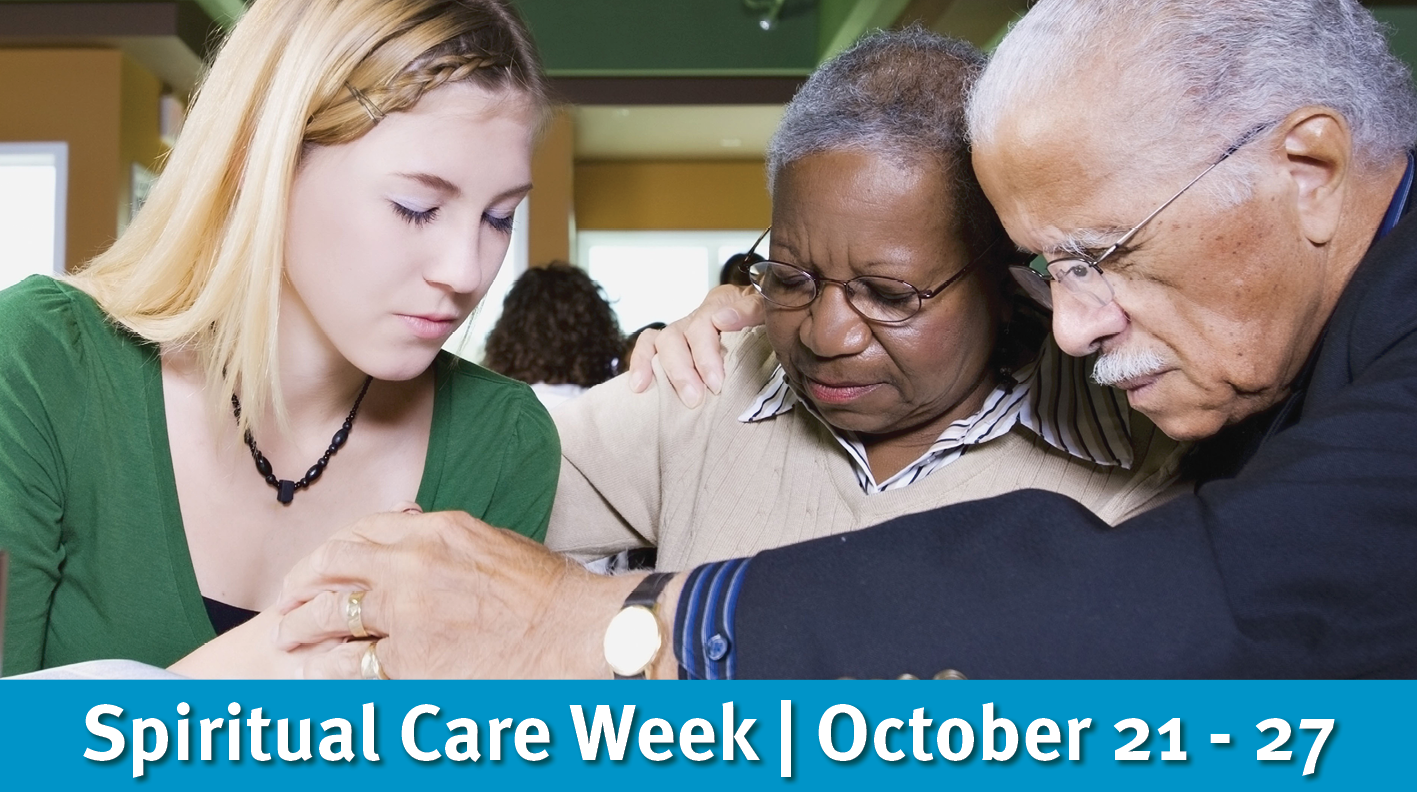
Chaplains provide spiritual care to hospice patients and play a…
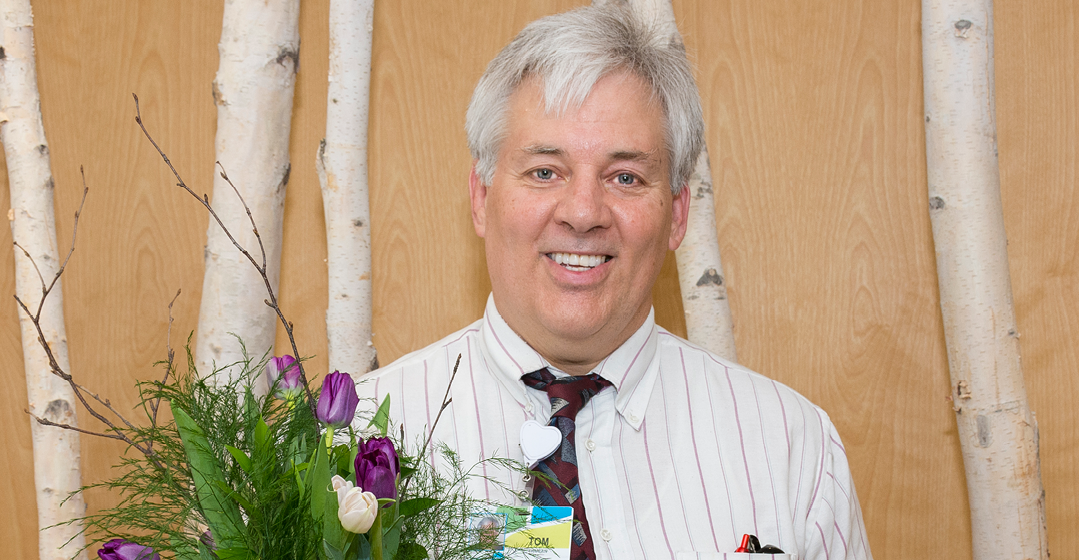
Outstanding members of the Ohio's Hospice staff are recognized every…
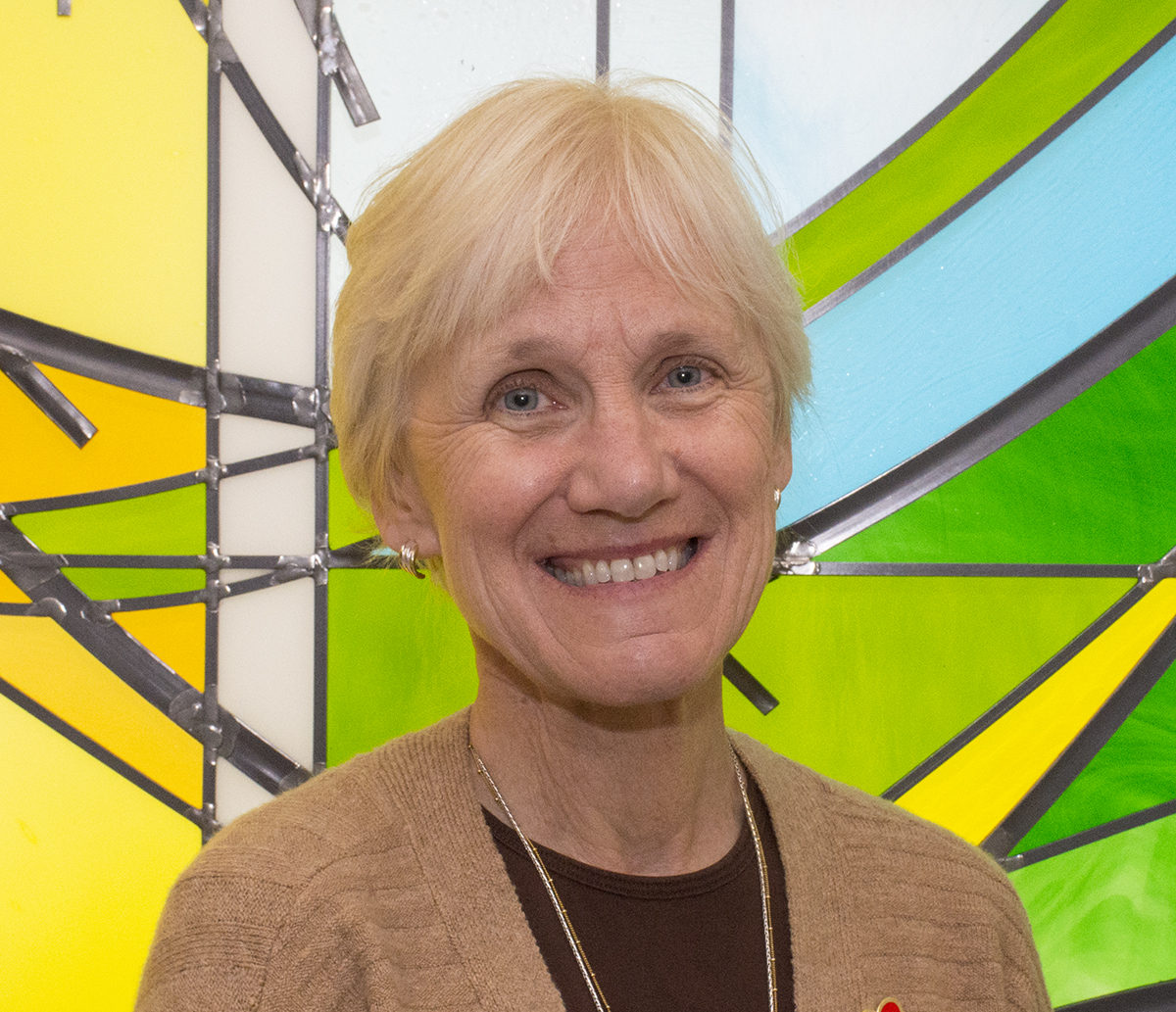
The Chaplain is an important part of the Ohio’s Community Mercy…
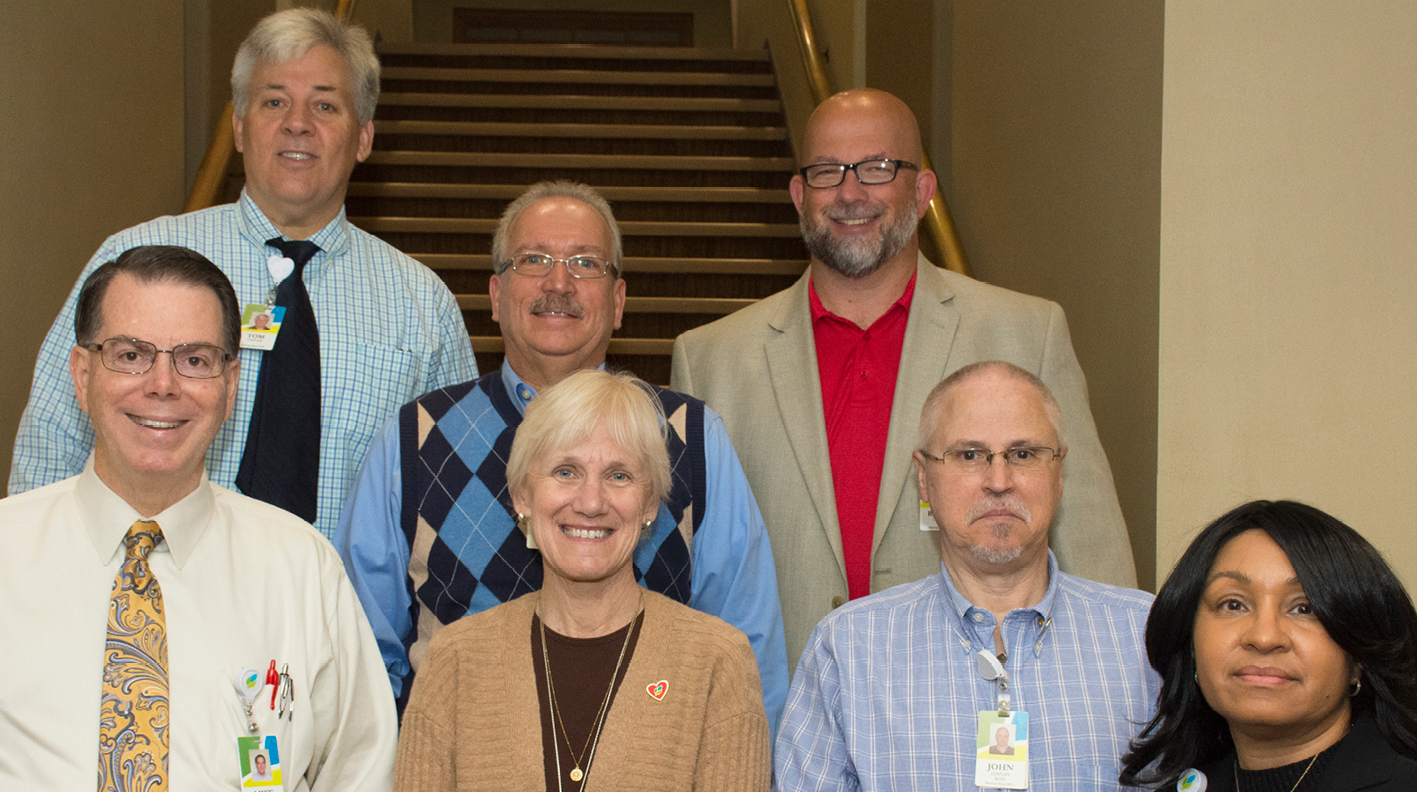
Chaplains are an important part of the Ohio’s Hospice interdisciplinary…
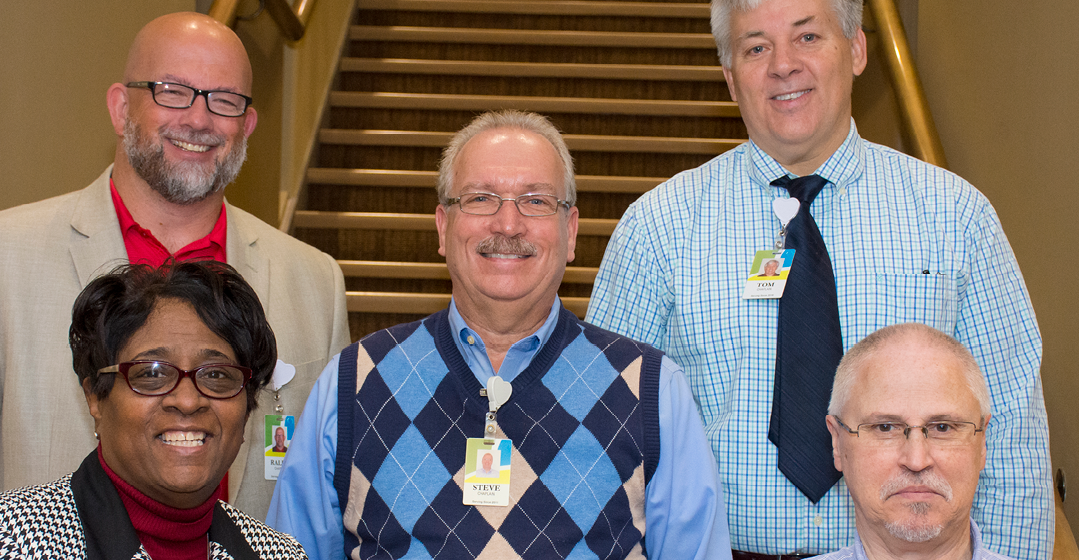
Chaplains are an important part of the Ohio’s Hospice of…
For more information, call: 800.653.4490
We create personalized plans of care. Care may look different for each patient.